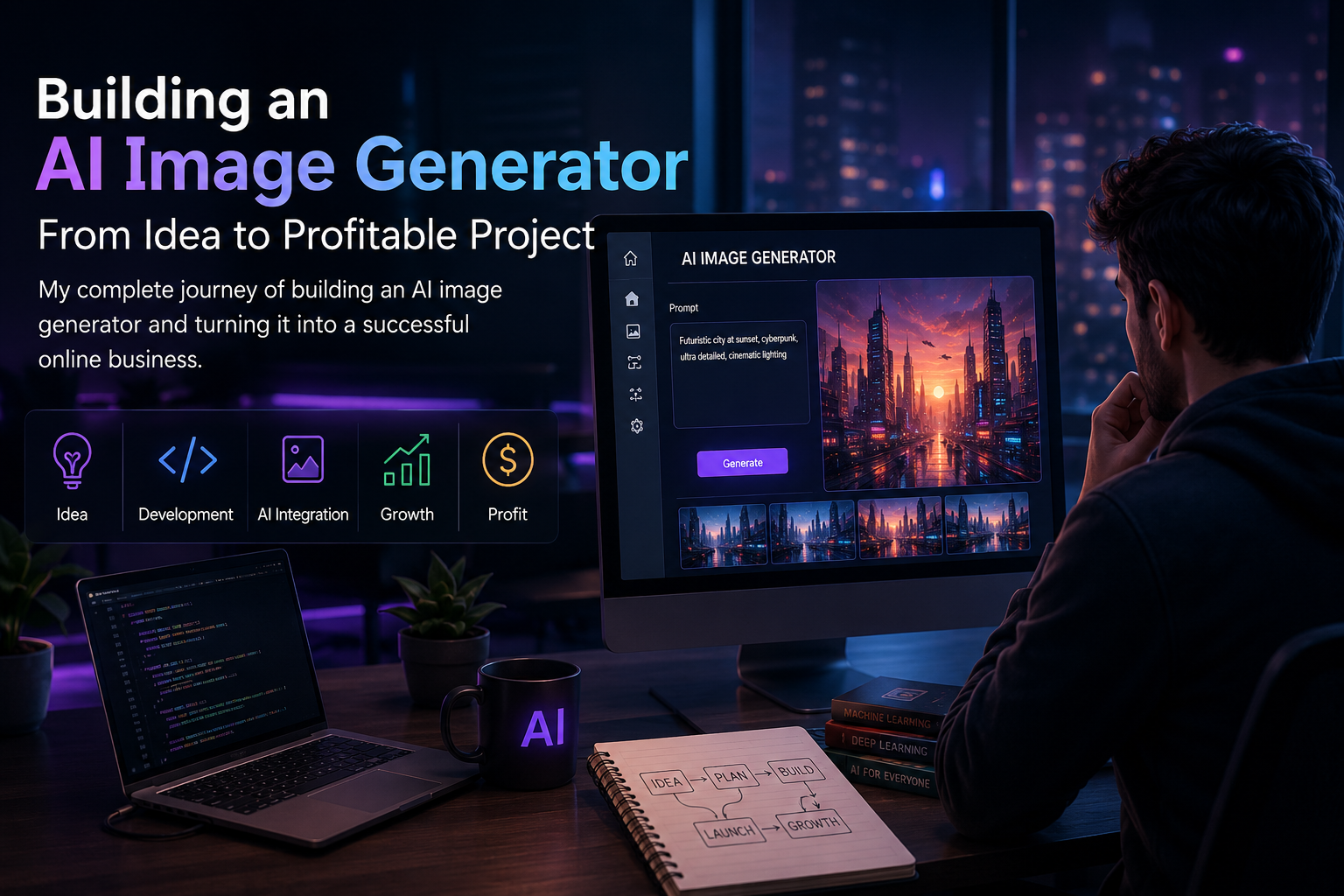
Artificial intelligence has dramatically changed the way digital products are created. What once required large development teams, expensive software, and years of technical expertise can now be achieved by small creators using modern AI technologies.
A few years ago, I noticed a growing trend. AI image generators were becoming more powerful, yet many of them felt overwhelming for beginners. Some platforms focused heavily on advanced settings, while others locked important features behind expensive subscriptions.
Although the technology was impressive, the user experience often felt unnecessarily complicated.
That observation eventually led to a simple question:
The more I explored the market, the more convinced I became that there was room for a cleaner, easier, and more practical solution.
Instead of trying to compete with every feature offered by large platforms, the goal became building something focused and useful.
🚀 The Problem I Wanted To Solve
Most AI image generators shared similar weaknesses.
- Complicated interfaces
- Steep learning curves
- Slow performance
- Confusing pricing models
- Too many unnecessary settings
New users often spent more time learning the platform than actually creating images.
For creators, bloggers, marketers, and small business owners, this created friction that reduced productivity and discouraged adoption.
I believed that a successful product should remove barriers instead of creating them.
📋 Planning The Product
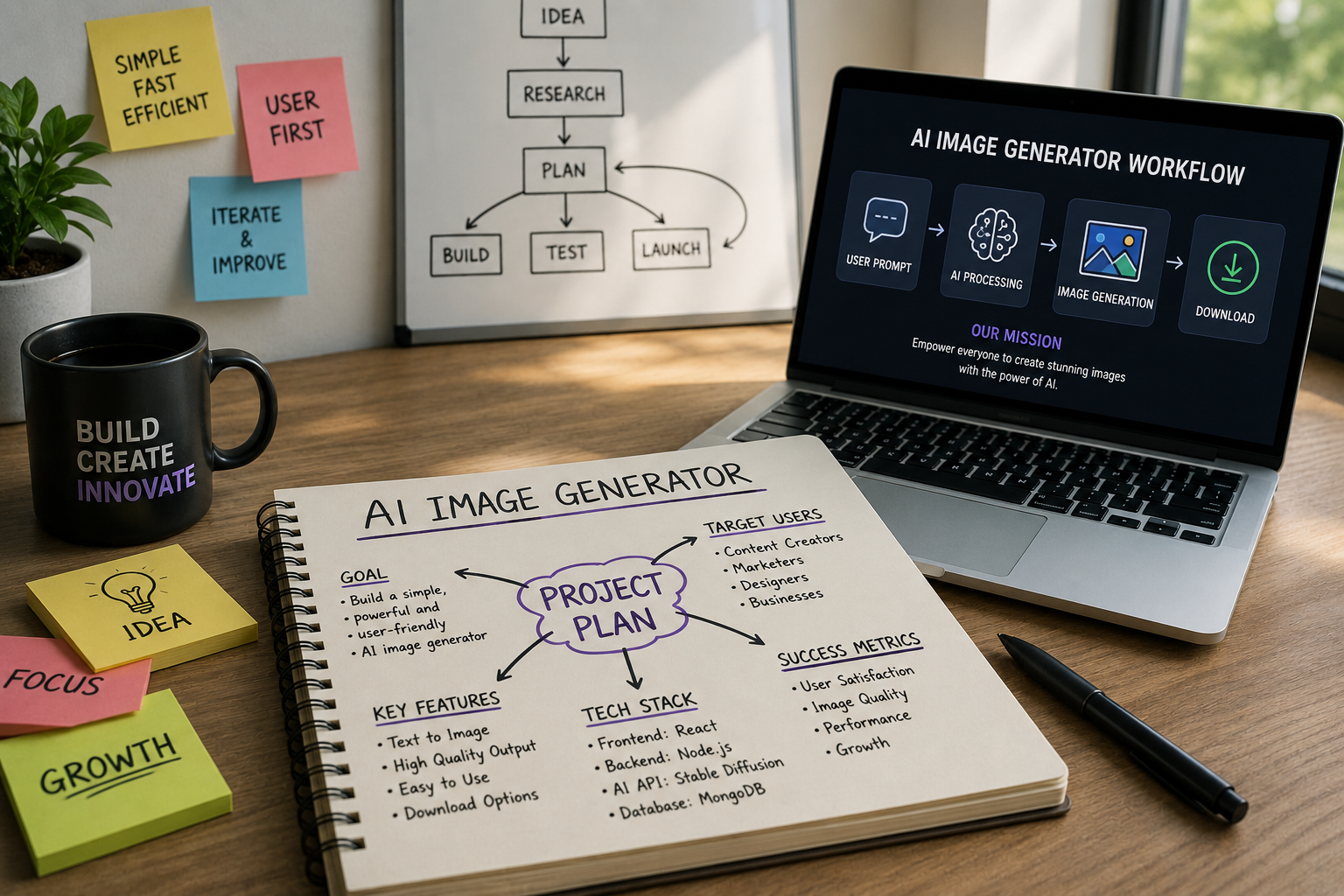
Before writing a single line of code, I spent time studying competitors and understanding what users actually wanted.
Rather than copying existing platforms, I analyzed reviews, community discussions, user complaints, and feature requests.
Several patterns quickly appeared.
Users cared far more about getting good results quickly than having access to hundreds of advanced controls.
They wanted an interface that felt intuitive, mobile-friendly, and capable of producing impressive images with minimal effort.
| Research Finding | Impact On Product |
|---|---|
| Users wanted simplicity | Cleaner interface design |
| Fast generation mattered | Performance optimization |
| Mobile usage was growing | Responsive development |
| People disliked complexity | Reduced unnecessary features |
These insights shaped every decision that followed and became the foundation of the first version of the platform.
⚙️ Building The First Version
Once the planning stage was complete, the real work began.
The first version was intentionally simple. Instead of chasing dozens of features, I focused on creating a stable foundation that could later be expanded.
The initial priorities were straightforward:
- Clean user interface
- Fast image generation workflow
- Mobile responsiveness
- Reliable performance
- Simple navigation
Building the first version revealed an important lesson about product development.
Users rarely care about how complicated a system is behind the scenes. What matters is whether the product feels simple and effective from their perspective.
Many early experiments failed.
Certain layouts looked great on desktop but performed poorly on mobile devices. Some features sounded impressive in theory but created unnecessary friction during actual use.
Every problem helped improve the platform.
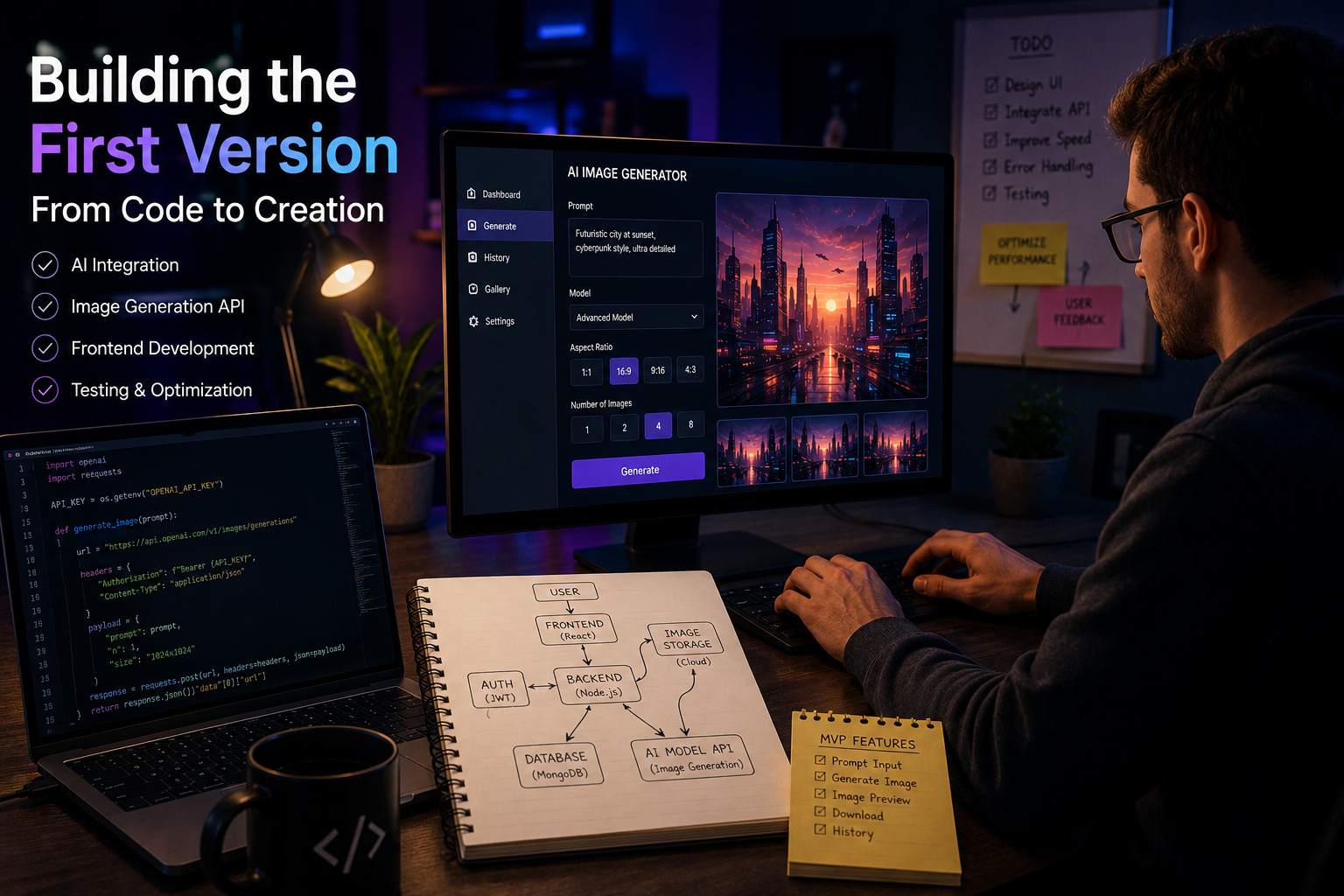
Instead of treating mistakes as failures, they became opportunities to identify weaknesses before users encountered them.
🧠 AI Startup Idea Validator Tool
One of the most valuable skills for entrepreneurs is evaluating whether an idea solves a real problem.
The simple tool below helps estimate the strength of a startup concept before investing significant time and resources.
AI Startup Idea Validator
While this tool is intentionally simple, it reflects the same principle used during the early stages of this project: validate ideas before investing heavily in development.
📈 Launching The Platform
After months of planning, testing, and refinement, the first public version was finally ready.
Launching a product is exciting, but it also introduces a new challenge.
Building the platform is only half of the journey.
The next challenge is attracting visitors.
Without traffic, even the best products remain invisible.
📈 Getting The First Visitors
Like many new projects, the launch day was exciting but also humbling.
After investing months into development, I expected traffic to arrive quickly. Instead, visitor numbers were extremely small during the first weeks.
The reality became clear very quickly.
A great product alone is not enough.
People must first discover that the product exists.
This shifted my focus toward content marketing, search engine optimization, and building long-term visibility.
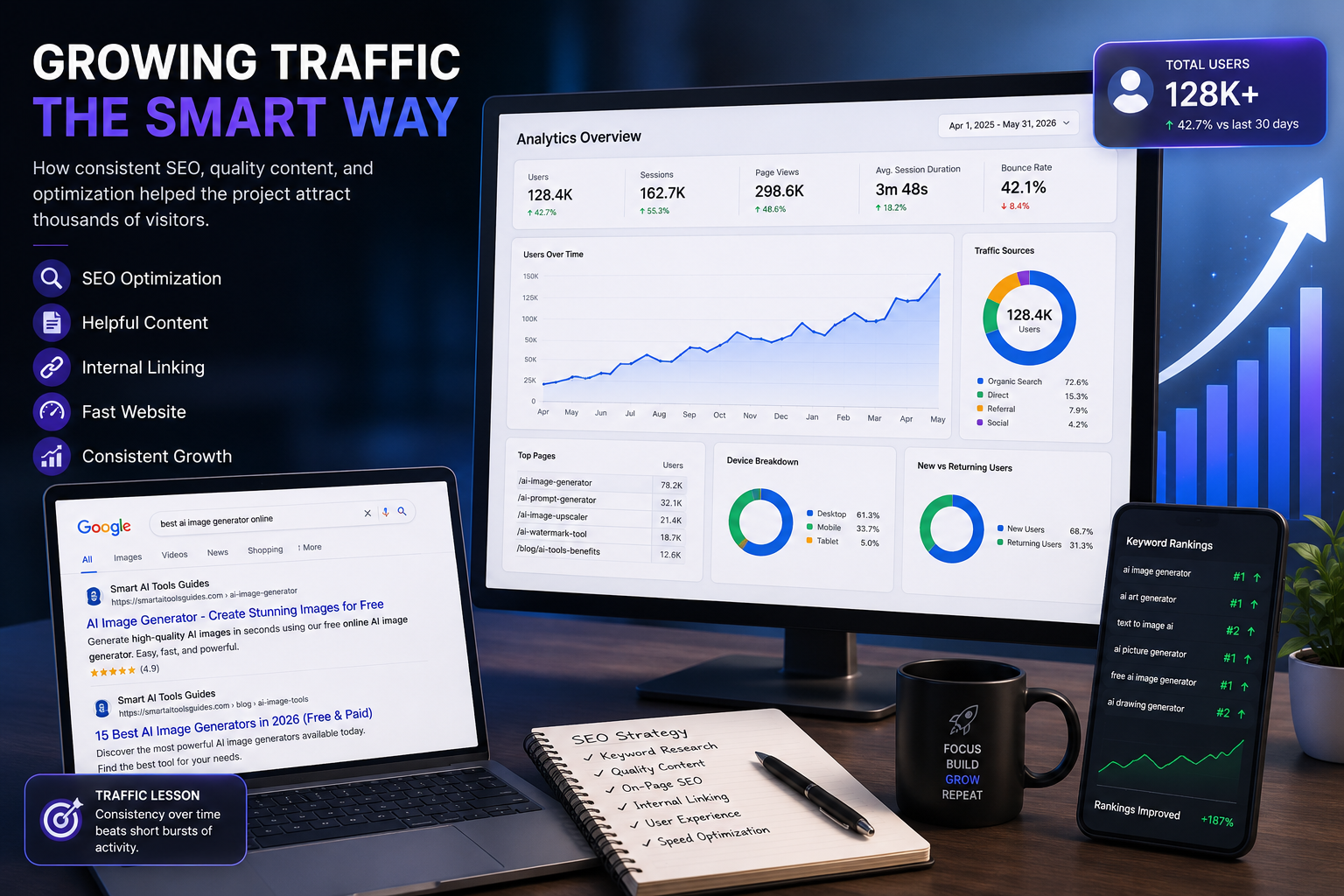
Rather than spending large amounts of money on advertising, I decided to focus on organic growth.
The strategy was simple:
- Create helpful content
- Target real user problems
- Optimize pages for search engines
- Improve website speed
- Continuously update existing content
Although progress felt slow at first, the results eventually started to compound.
Each article created another entry point for potential visitors.
Every improvement increased visibility and trust.
One of the biggest mistakes new creators make is quitting too early.
Many projects fail not because they are bad ideas, but because their owners stop improving them before momentum has time to build.
📊 What Actually Worked
After analyzing traffic data, user behavior, and engagement metrics, several strategies consistently delivered the strongest results.
| Strategy | Impact |
|---|---|
| Publishing useful content | High |
| Improving page speed | High |
| Updating older articles | Medium |
| Internal linking | High |
| Consistent publishing | Very High |
Interestingly, many of the most effective improvements were not complicated.
Small optimizations performed consistently over time often produced greater results than major redesigns or sudden changes.
The project slowly transformed from an experiment into a growing online platform with increasing visibility and user engagement.
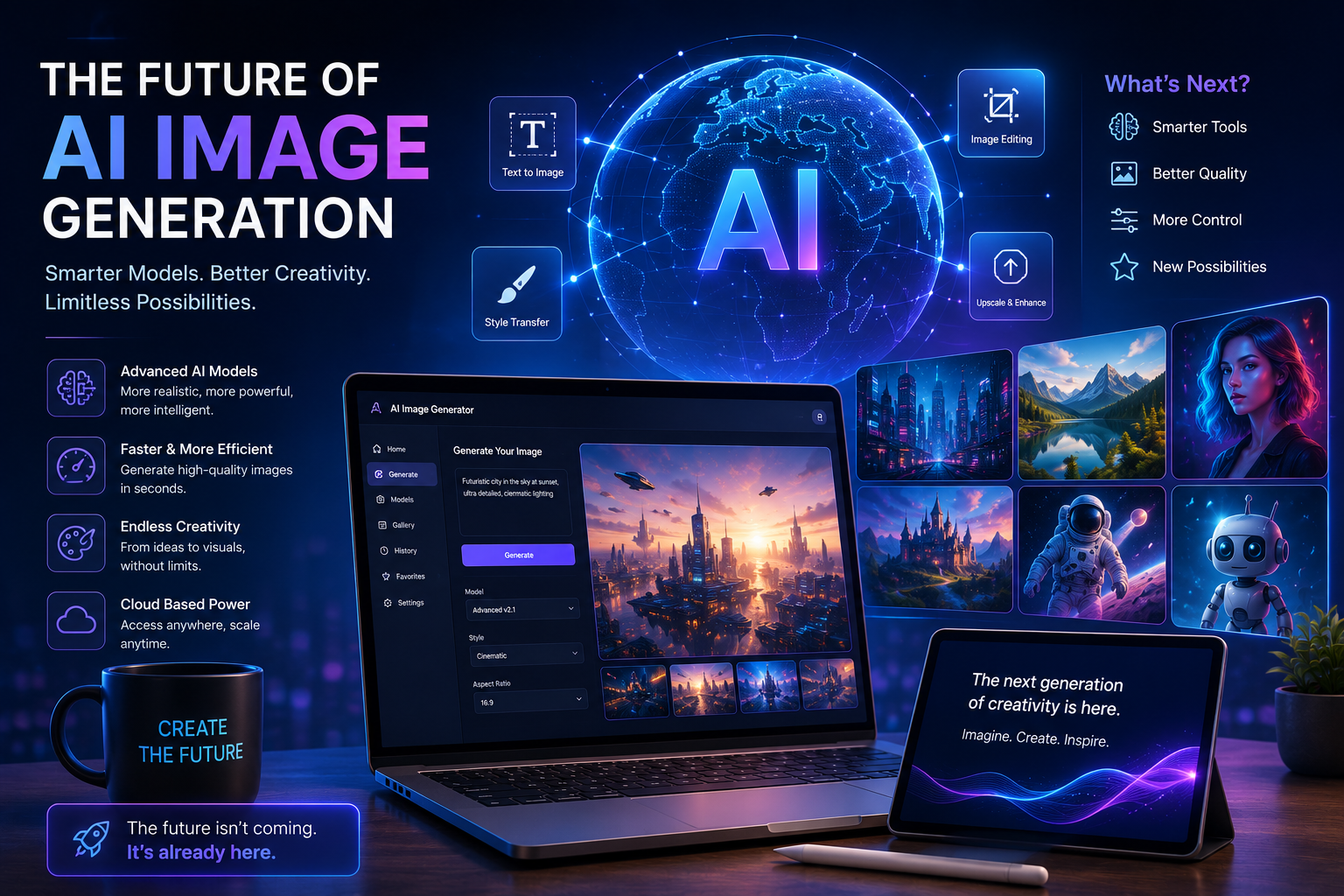
By this stage, the focus was no longer simply building the product.
The challenge became turning attention into sustainable revenue.
💰 Turning Traffic Into Revenue
As traffic continued growing, a new challenge emerged.
Building the product was difficult. Growing traffic required patience. However, creating a sustainable revenue model introduced an entirely different set of decisions.
Many websites attempt to monetize too aggressively. Excessive advertisements, intrusive popups, and poor user experiences may generate short-term income but often damage long-term growth.
My objective was different.
I wanted monetization to support the product rather than interfere with it.
Several monetization methods were tested over time.
| Revenue Source | Difficulty | Long-Term Potential |
|---|---|---|
| Display Advertising | Low | Medium |
| Affiliate Marketing | Medium | High |
| Premium Features | High | Very High |
| Sponsored Partnerships | Medium | Medium |
| Digital Products | Medium | High |
While advertising provided the simplest starting point, diversification eventually became important.
Relying entirely on a single source of income can create unnecessary risk.
A combination of revenue streams generally produces greater stability and long-term sustainability.
🚫 Mistakes That Slowed Growth
Not every decision produced positive results.
Looking back, several mistakes significantly slowed progress during the early stages.
- Trying to perfect every feature before launch
- Delaying SEO efforts
- Adding unnecessary complexity
- Ignoring user feedback too long
- Overestimating short-term growth
One particularly important lesson involved perfectionism.
Waiting for everything to become perfect often delays valuable feedback that could improve the product faster.
Many successful digital businesses are built through continuous iteration rather than flawless planning.
The ability to learn and adapt often matters more than getting every decision right from the beginning.
🏆 Key Takeaways From The Journey
After building, launching, growing, and monetizing the platform, several principles consistently proved valuable.
- Focus on solving a real problem.
- Keep products simple whenever possible.
- Listen carefully to users.
- Invest in long-term traffic channels.
- Build systems that can scale.
- Prioritize consistent improvement.
- Think long-term instead of chasing shortcuts.
These lessons apply far beyond AI image generation.
Whether building a software product, content website, online tool, or digital business, the same principles often lead to better outcomes.
❓ Frequently Asked Questions
How long did it take to build the first version?
The initial version took several weeks of research, planning, development, and testing before becoming ready for public use.
Did the project generate revenue immediately?
No. Revenue came later after traffic growth, user engagement improvements, and multiple monetization experiments.
What was the most effective traffic source?
Search engine optimization and useful educational content produced the strongest long-term results.
Would you build the project differently today?
Yes. I would start content marketing earlier and collect user feedback sooner.
Can one person build a successful AI project?
Absolutely. Many successful AI businesses began as solo projects before expanding over time.
🚀 Looking Ahead
Today, artificial intelligence continues evolving faster than ever.
What started as a simple idea eventually became much more than an image generation tool.
The project created opportunities to learn about product development, digital marketing, search engine optimization, user behavior, monetization, and long-term business growth.
Perhaps the most surprising discovery was realizing that success rarely comes from a single breakthrough moment.
Instead, it is usually the result of hundreds of small improvements made consistently over time.
Every article published, every feature improved, every user suggestion implemented, and every technical issue solved contributed to the project's growth.
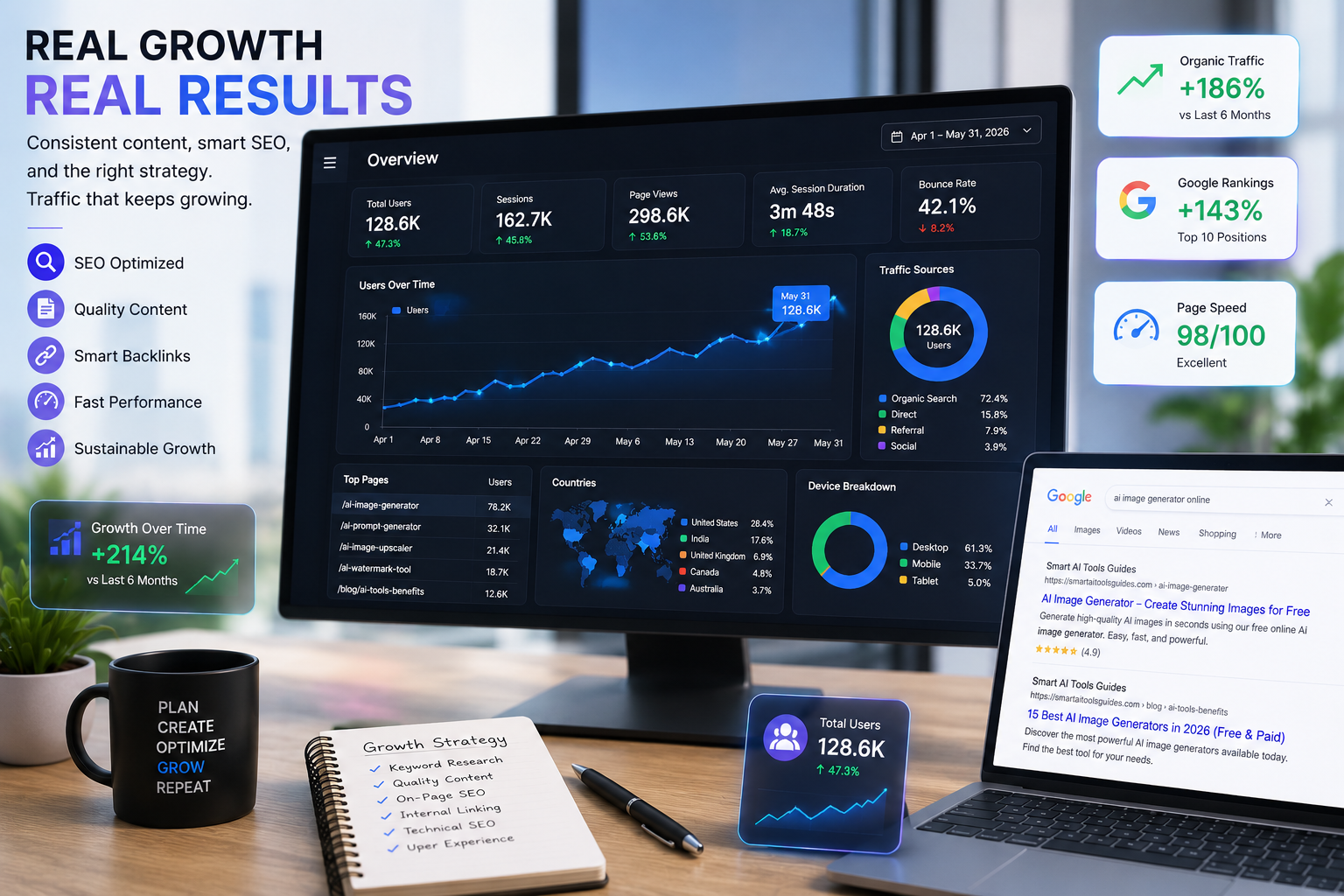
🎯 Final Verdict
Building an AI image generator was one of the most educational projects I have ever worked on.
The journey demonstrated that creating a successful digital product requires much more than technical knowledge.
It requires understanding users, solving meaningful problems, creating valuable content, improving continuously, and remaining patient when growth feels slow.
While the technology behind AI image generation is impressive, the real challenge lies in building something that people genuinely enjoy using.
For anyone considering a similar project, the most important advice is simple:
Start before you feel completely ready, focus on helping users, and improve consistently based on real feedback.
🚀 Explore More AI Tools
Discover powerful AI tools, image generators, SEO utilities, and productivity solutions designed to help creators, bloggers, marketers, and businesses work smarter.
Explore All AI Tools📚 Related Articles